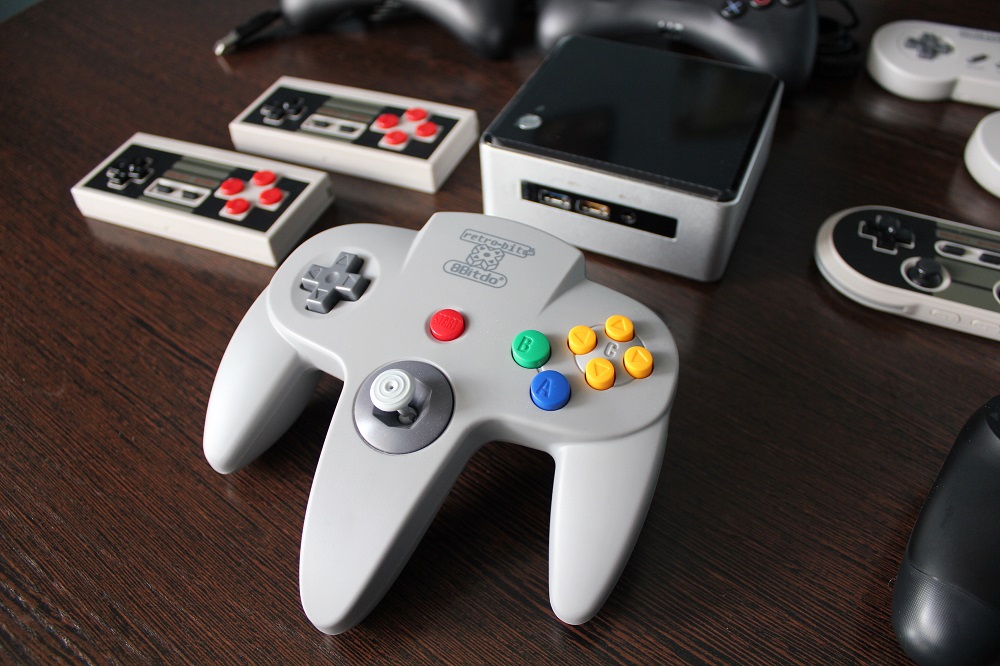
The hum of a tube television and the sharp click of a plastic controller defined a generation that found its speed in vibrant blocks of color. These classic speedsters weren't just about finishing lines; they represented the first digital frontier where every single pixel mattered. In the early days of racing, the screen served as a glowing portal to a world of endless asphalt and neon horizons, demanding absolute precision from every pilot behind the wheel.
Historical Context
During the mid-80s, developers pushed limited hardware to its absolute breaking point to simulate the sensation of high-speed movement. It was a time when the digital crown of racing games was claimed not by those with the most complex physics engines, but by those who mastered the technical art of scrolling backgrounds and sprite scaling. This era laid the vital groundwork for everything we see in competitive online environments today, proving that limitations often breed the most memorable innovations.
Specifications
- 8-bit color palette optimized for high-contrast neon racing visuals.
- Pioneering top-down and pseudo-3D perspective hardware implementations.
- High-energy chiptune soundtracks that defined the energy of the virtual track.
Looking back at these digital relics reminds us that the spirit of competition transcends modern hardware. Whether you were drifting on a Dendy or a Sega, the core thrill remained the same regardless of the decade. Today, these classics find new life in portable formats and smartphones, proving that a well-designed track never truly ages. The legacy of these speedsters continues to influence how we approach racing in the vast online landscapes of the present day.
Leave a Record